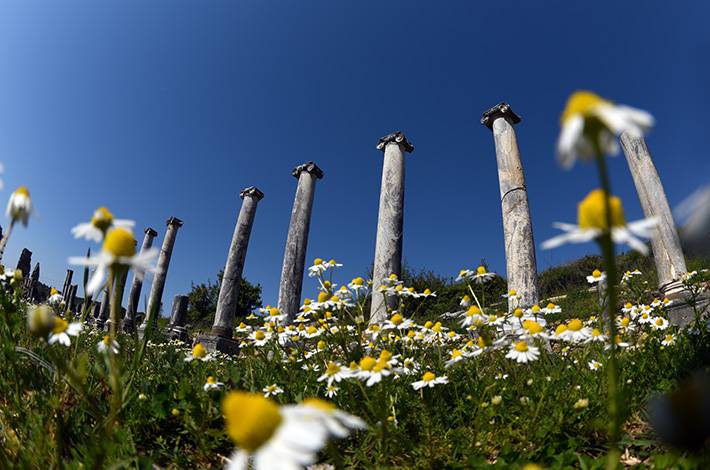
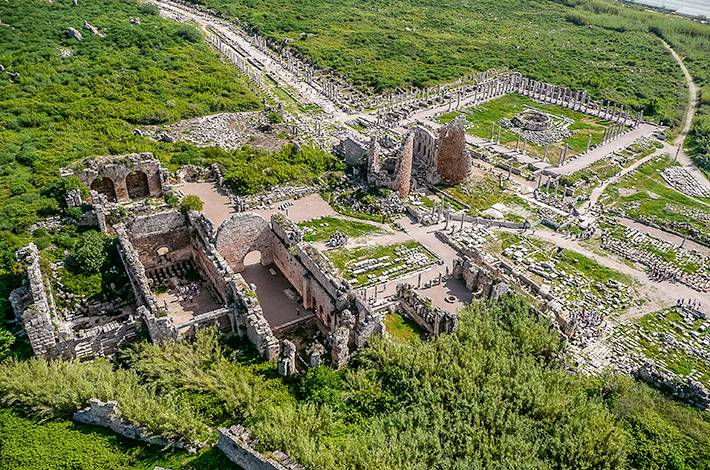
Antalya İli, Aksu İlçesi sınırlarında kalan Perge, kent merkezinin 17 km doğusunda kalmaktadır. Kentte yürütülen araştırmalar, yapılarıyla ünlü bu şehrin prehistorik birikiminin akropolde ele geçirilen seramik örnekleri ışığında Erken Tunç Çağı’na değin geriye uzandığını ortaya koymuştur. Hitit yazılı metinlerinde “Parha” olarak geçen kentin kazı tarihçesi Ord. Prof. Dr. Arif Müfid MANSEL’in 1946 yılındaki çalışmalarıyla başlar. Süreç içerisinde 1970’li yıllarda Prof. Dr. Jale İNAN’ın gerçekleştirdiği kazıları 1990’lı yıllarda Prof. Dr. Haluk ABBASOĞLU devralmıştır. Bununla birlikte Perge kazıları 2012 yılından bu yana Antalya Müzesi Müdürlüğü başkanlığında yürütülmekte olup, içinde bulunduğumuz yıl içinde kazı, restorasyon ve konservasyon çalışmaları halen Müdürlüğümüzce sürdürülmektedir. Kendi içinde üç ana dönem geçirmiş olan Perge, ilk parlak devrini Hellenistik Dönem’de yaşamıştır. MÖ III. yüzyılda planlı bir kent olarak tasarlanmış olan şehrin anılan dönemini, bugün dahi sağlam şekilde ayakta duran Hellenistik Dönem Kuleleri temsil etmektedir.
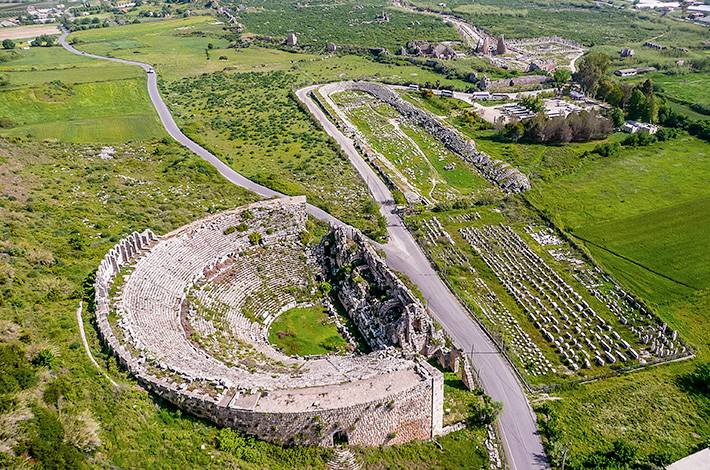
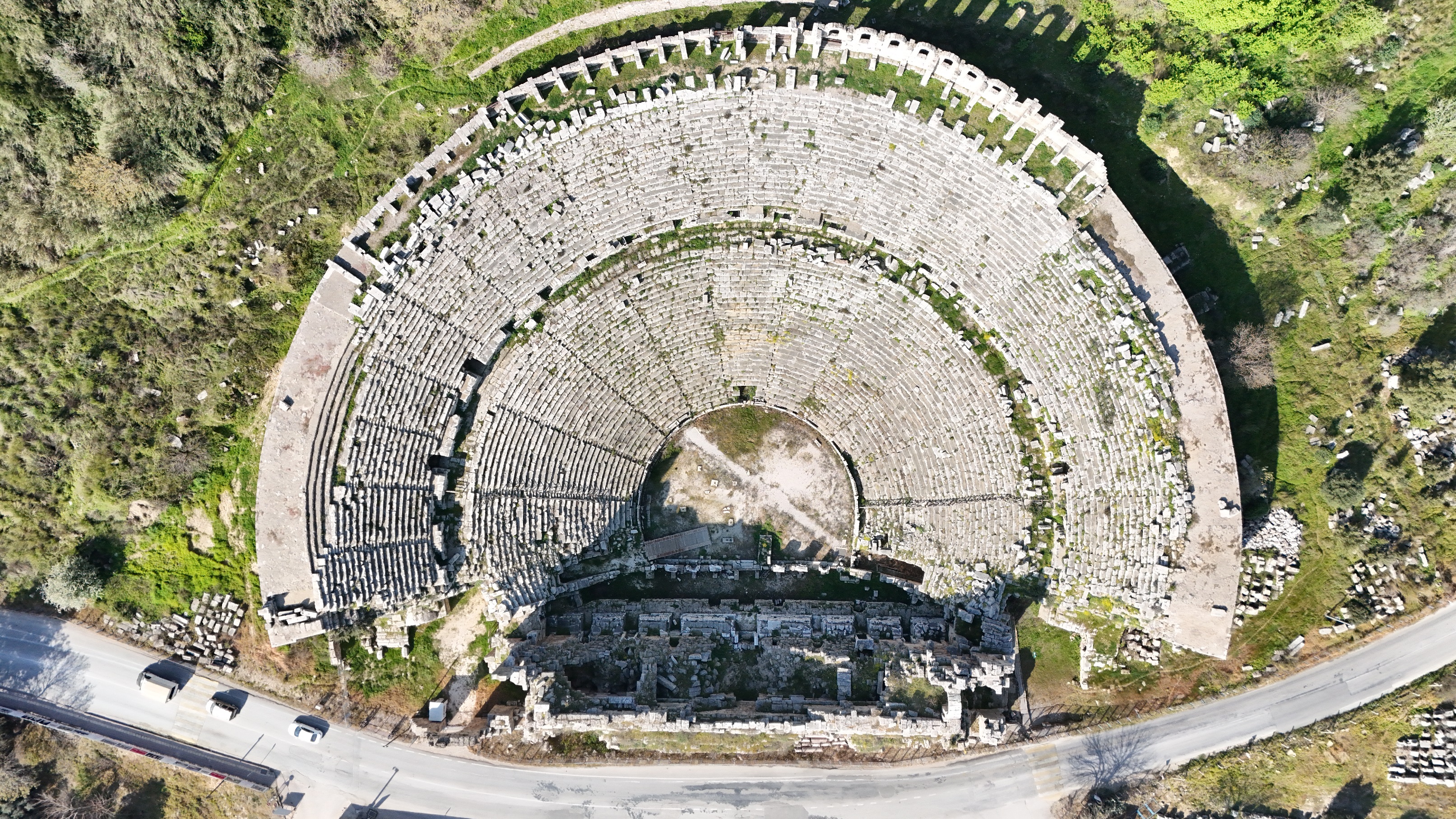
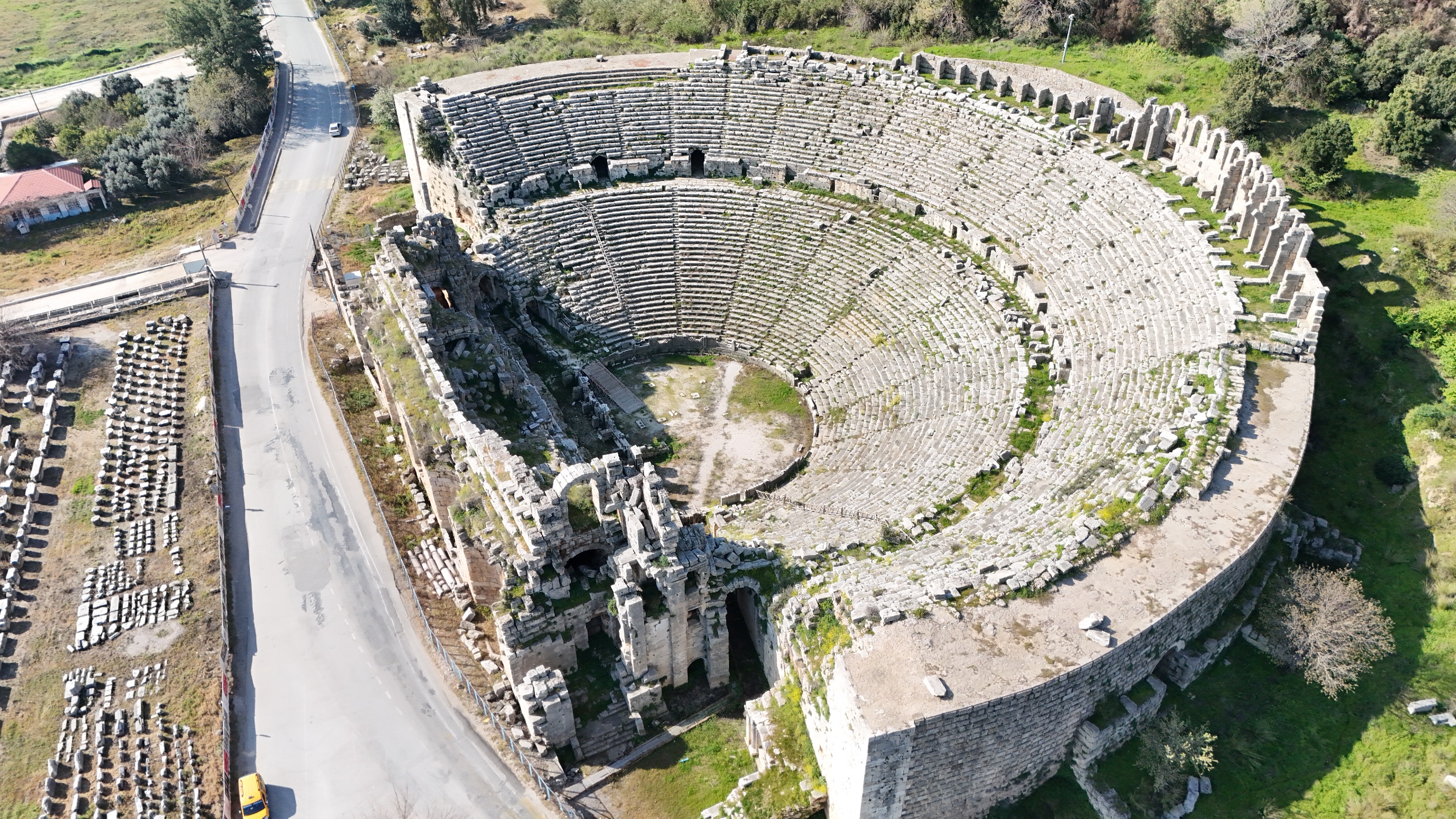
Bununla birlikte Perge, altın çağını Roma İmparatorluğu egemenliğinde yaşamıştır. Anlaşıldığı üzere Perge, MS II-III. yüzyıllarda “Pax Romana (Roma Barışı)” olarak bilinen barış ve zenginlik döneminin getirdiği nimetlerden olabildiğince faydalanmış, bu getirileri jeopolitik konumu ile birleştirerek müreffeh bir hayat standardını yakalamıştır. Sözü edilen dönemde kent, yeniden imar faaliyetlerine konu olmuş, günümüzde ziyaretçilerin odak noktasını oluşturan Tiyatro, Stadium, Kent Kapısı, Agora & Macellum, Palaestra gibi önemli kamu yapıları ile Hamamlar, Su Kanalları ve Anıtsal Çeşmeler gibi su ile ilintili estetik düzenlemeler Roma Dönemi’nde inşa edilmiştir.
Kronolojik süreç içerisinde son parlak dönemini Doğu Roma (Bizans) İmparatorluğu Dönemi’nde yaşamış olan Perge, döneme damgasını vuran Hıristiyanlığın etkisi ile bu dinin önde gelen azizlerinin uğrak yeri olmuş; St. Paulus’un uğrak yeri olan Perge, Pisidia Antiocheia’ye uzanan St. Paulus yolunun başlangıç noktasını oluşturmuş, MS V. ve VI. yüzyıllarda şehirde görkemli bazilikalar inşa edilmiştir ve Perge; “Metropolit Kent” kimliğini kazanmıştır.
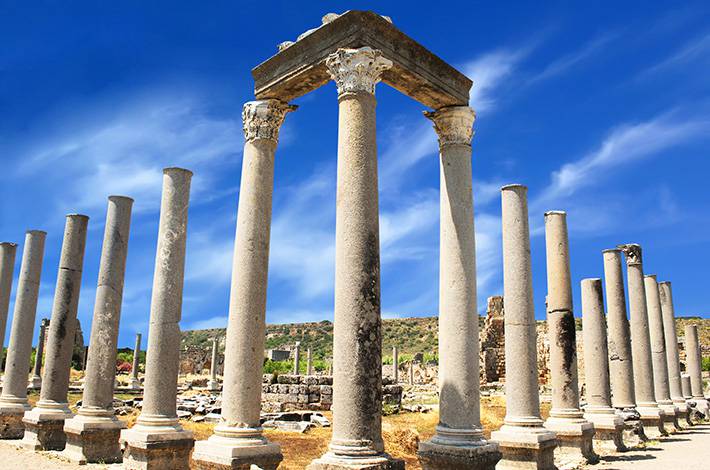
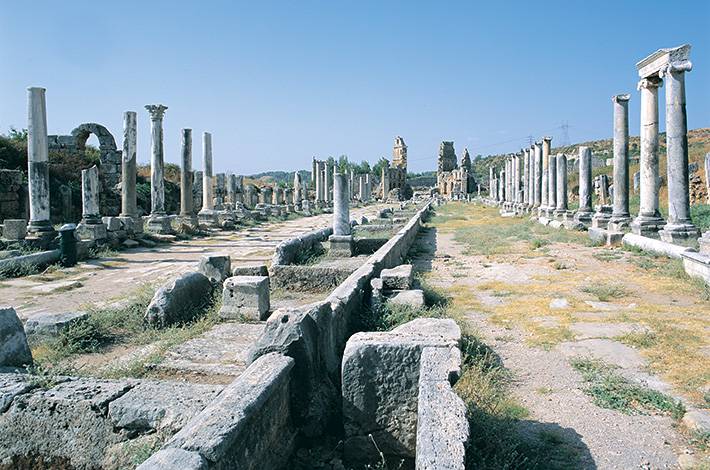
Bu bağlamda; Tiyatro, Güney Hamamı, Agora & Macellum, Kestros Çeşmesi, Sütunlu Ana Cadde gibi yapıların kazıları 1946-2012 yılları arasında gerçekleştirilmiş olup, Müdürlüğümüz başkanlığındaki kazılarda kentin ikinci arteri konumundaki Sütunlu Batı Cadde’nin ve bu caddeye paralel uzanan su kanalının, Caracalla Çeşmesi’nin (Palaestra yapısının ana cephesi ve nympahion havuzu dâhil olmak üzere)kazısı tamamlanmış, Batı Nekropolis’e değin uzanan güzergâh bütünüyle açılmıştır. Diğer taraftan alan arkeolojisi ve saha yönetimi çerçevesinde Ana Cadde’nin doğu ve portikolarının ıslahı sağlanmış, Roma Kapısı’ndan Kent Meydanı’na değin uzanan büyük alanın rehabilitasyonu, Hellenistik Kuleleri ve Agora’yı da kapsayacak şekilde bütüncül olarak ele alınmıştır. Ayrıca 2017 yılı içerinde Perge Tiyatrosu da ziyaret açılmıştır.